Entry · Ref 9ONQ04NL
How Advanced Ventilation Techniques Cool Attic Spaces
- Posted
- 2026-11-13
- Last amended
- 2026-11-13
- Account
- @zaneyusq633
Townsville's tropical climate puts roofs and attics under serious thermal stress. With long, hot summers, high humidity and intense UV exposure, roof cavities can reach temperatures well above 50°C on a typical summer afternoon. That heat radiates into living areas, forces air conditioners to work harder and shortens the life of roofing materials. Advanced ventilation techniques are one of the most effective ways to manage this problem, and this guide explains how they work, which options suit North Queensland homes and buildings, and when to call a professional.
Why Attic Heat Is a Bigger Problem in Townsville
Heat builds up in a roof space through three main pathways: solar radiation heating the roof covering, conduction through the roofing material, and warm air becoming trapped with nowhere to go. In Townsville's climate, this cycle repeats almost daily for much of the year. Humidity adds another layer of risk, because moist air trapped in a roof cavity can lead to mould, timber decay, rusting fasteners and degraded insulation.
Effective attic heat reduction does more than make a house more comfortable. It can lower cooling costs, protect structural timbers and extend the service life of shingles, tiles and metal sheeting. During the cyclone season, a well-ventilated and well-maintained roof system https://kameronqhms316.cavandoragh.org/affordable-damaged-gutter-repair-options-for-families is also better prepared to perform as designed.
How Advanced Ventilation Techniques Work
The principle behind modern attic cooling methods is simple: hot air rises, so give it a path to escape at the highest point while drawing cooler air in at the lowest point. Advanced systems refine this idea with better airflow design, powered assistance and smart controls.
Balanced Intake and Exhaust Airflow
A well-designed system balances air entering through eave or soffit vents with air leaving through ridge or high-level vents. If exhaust capacity exceeds intake, the fans or vents can pull conditioned air from inside the house, which defeats the purpose. Customized roof ventilation starts with calculating the roof volume, pitch and orientation, then matching vent type and quantity to those figures.
Ridge Vents
Ridge vents run along the peak of the roof and let hot air escape passively across the full length of the ridge. They are low-profile, have no moving parts and work well when paired with continuous soffit intake vents. They suit many pitched roofs, though the roof design must allow for a clean, unobstructed opening.
Powered and Solar-Assisted Ventilators
Powered roof ventilators use a fan to actively extract hot air. Solar-powered versions are especially popular in Townsville because the strongest sun is exactly when the attic needs the most cooling. They need no wiring to the switchboard and cost nothing to run. Some models include thermostats or humidistats so they operate only when conditions call for it.

Whirlybirds and Turbine Vents
Wind-driven turbine ventilators remain a common choice across Queensland. They use wind and thermal lift to draw hot air out of the roof space. Correct sizing and placement matter: too few units will not clear the heat, while poorly positioned units can cause uneven airflow.
Gable and Eave Vents
Gable-end vents promote cross-flow ventilation, and eave vents supply the intake air that makes other systems work properly. Blocked eave vents are one of the most common reasons otherwise well-designed ventilation falls short, so it pays to check that insulation has not been packed against them.
Supporting Measures That Boost Ventilation Performance
Ventilation works best as part of a complete approach to roof and building performance. These supporting measures can make a significant difference:
- Reflective roof coatings and colours: Light-coloured or heat-reflective finishes reduce the amount of solar heat absorbed. This is where advanced painting techniques and comprehensive sealing solutions come in, since a quality coating can also seal minor imperfections and improve weather resistance.
- Roof insulation and reflective foil: Insulation slows heat transfer into living spaces, while sarking or foil barriers reflect radiant heat before it enters the cavity.
- Sealed ceiling penetrations: Gaps around downlights, ducts and hatches allow roof heat to leak down into the home.
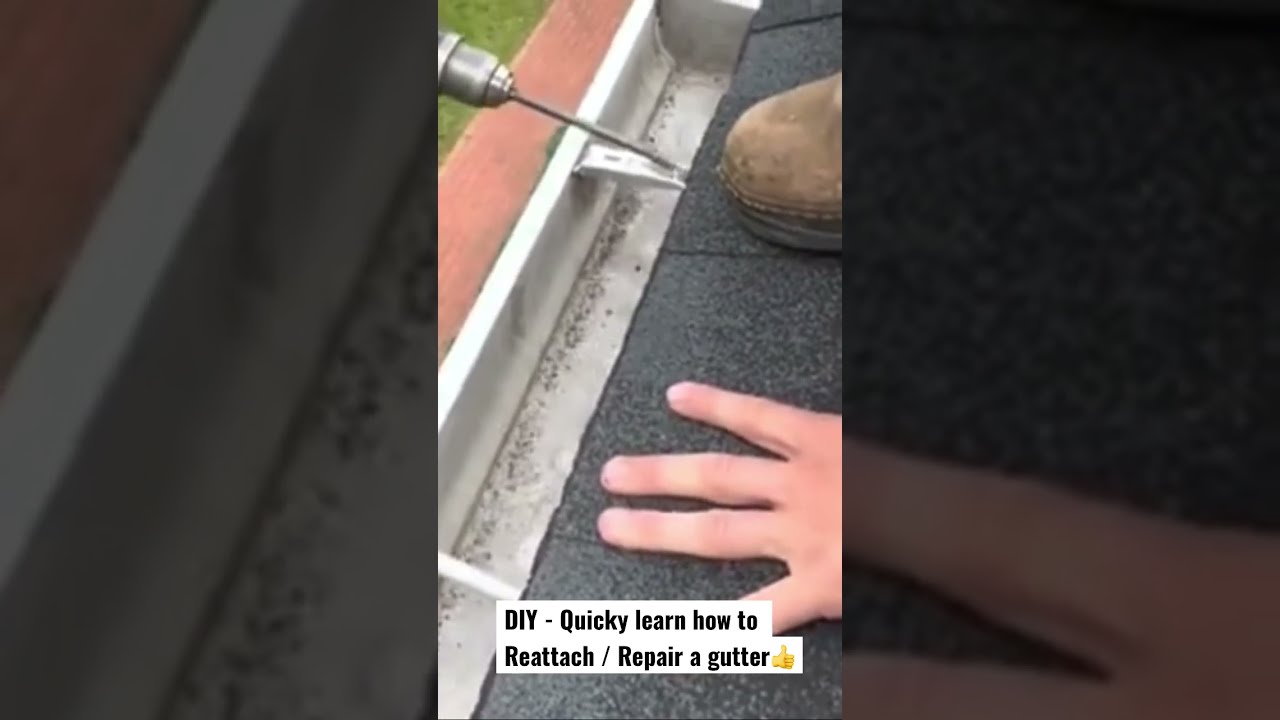
- Healthy guttering and drainage: Overflowing or leaking gutters can drive moisture into eaves and roof timbers, which undermines ventilation. Damaged gutter repair, aluminum gutter repair and copper gutter maintenance help keep water where it belongs, and comprehensive drainage solutions protect the roof edge and eave vents.
When Ventilation Problems Point to Roof Issues
Sometimes an overheated attic is a symptom of a deeper roofing issue. Warning signs include curling or cracked shingles, rusted fasteners, damp insulation, musty odours, visible daylight through the roof, and ceiling stains after rain. In these cases, ventilation upgrades should be paired with advanced roof repair or comprehensive roof repair so the root cause is addressed.

Depending on the roof's age and condition, options may include:
- Asphalt shingle replacement where shingles have aged, cracked or lost granules
- Cedar shake replacement for split or weathered timber roofing
- Complete roof installation or comprehensive roof reroofing when the roof has reached the end of its service life
- Comprehensive roof venting designed into a new roof from the start, which is often more cost-effective than retrofitting later
Choosing certified roof repair or certified roof reroofing providers helps ensure the work meets relevant Australian standards and building requirements, including wind-loading requirements for cyclonic regions like North Queensland.
Attic Ventilation Installation and Repair
A professional attic ventilation installation typically begins with an inspection of the roof structure, existing vents, insulation levels and signs of moisture. The installer then calculates the ventilation required and recommends a combination of intake and exhaust solutions. For existing systems, attic ventilation repair might involve replacing seized turbine bearings, repairing failed fan motors, clearing blocked eave vents, resealing flashings around vent penetrations or replacing corroded components.
Poorly sealed vent penetrations are a common source of leaks, so quality flashing and sealing around every new opening is essential. In Townsville's wet season, a rushed or poorly detailed installation can create more problems than it solves.
Commercial Buildings and Larger Roof Systems
Warehouses, shopping centres, schools and industrial buildings face the same heat challenges on a bigger scale. Large roof areas absorb enormous solar loads, and trapped heat can raise internal temperatures and cooling costs significantly. Commercial roofing specialists use commercial roof solutions such as high-capacity powered extraction, reflective membranes and coatings, and properly engineered airflow paths. Regular commercial roof repair and comprehensive roof maintenance programs help catch problems early, while commercial gutter services and commercial painting sealing protect the building envelope as a whole.
The Role of Brickwork and Wall Condition
The roof is only one part of a building's thermal performance. Brick walls contribute through brick thermal insulation properties, absorbing and releasing heat slowly, but damaged brickwork can allow moisture and air leakage that undermine comfort and structural health. Common services include:
- Brick repointing services, brick mortar replacement and brick mortar restoration for crumbling joints
- Brick joint repair and brick expansion joint repair to handle movement caused by heat and moisture cycles
- Brick facade repair, brick deterioration repair and brick erosion control for weathered surfaces
- Brick structural repair, brick wall reconstruction and comprehensive wall repair where damage is more serious
- Brick wall weatherproofing and complete painting sealing to improve brick durability enhancement and protect brick structural integrity
Ongoing brick wall maintenance keeps moisture out of wall cavities and roof-to-wall junctions, where it can otherwise affect ventilation paths and insulation performance.
Practical Tips for Townsville Property Owners
- Inspect before the build-up season. Check vents, flashings and gutters before the hottest months and before the wet season arrives.
- Do not block intake vents. Keep insulation clear of eaves and soffits so air can flow freely.
- Size the system correctly. More vents is not always better. Balanced airflow matters more than the number of units.
- Combine strategies. Pair ventilation with insulation, reflective coatings and air sealing for the best results.
- Use qualified tradespeople. Roof work near penetrations, flashings and electrical connections should be handled by licensed, experienced professionals.
- Schedule regular maintenance. Annual checks help catch rust, loose fixings and failing seals before they become expensive repairs.
Looking Ahead: 2026 and Beyond
Interest in energy-efficient building upgrades continues to grow in 2026, driven by rising energy costs and a greater focus on comfort in extreme heat. Smart-controlled ventilators, higher-performance reflective coatings and integrated roof designs are becoming more common, and these trends are expected to continue into 2027 and beyond. For Townsville homeowners and businesses, investing in advanced ventilation techniques now can reduce cooling demand, protect the roof structure and improve everyday comfort for years to come.
Conclusion
Cooling an attic is about more than adding a vent. It means understanding airflow, matching the right ventilation system to the roof, and keeping the roof, gutters and walls in good condition. Whether the best solution is a simple ridge vent, a solar-powered extractor, a full comprehensive roof replacement or a combination of repairs, a professional assessment gives property owners a clear plan. In a climate as demanding as Townsville's, a well-ventilated roof space is one of the smartest upgrades for comfort, efficiency and long-term protection.
Townsville Roof Restoration Experts
9/141 Ingham Rd, West End QLD 4810, Australia
(07) 4801 8032